Professional Roofer for High-Quality Roofing Services
Appointing a professional roofer constitutes a strategic decision for property dwellers seeking quality roofing solutions. These experts not only guarantee compliance with local building codes but also provide access to superior materials. Their ability to identify and address potential issues early can save significant time and money. Understanding the diverse roof alternatives available and the rewards can augment this process. What points should homeowners weigh when appointing the right professional for their circumstances?
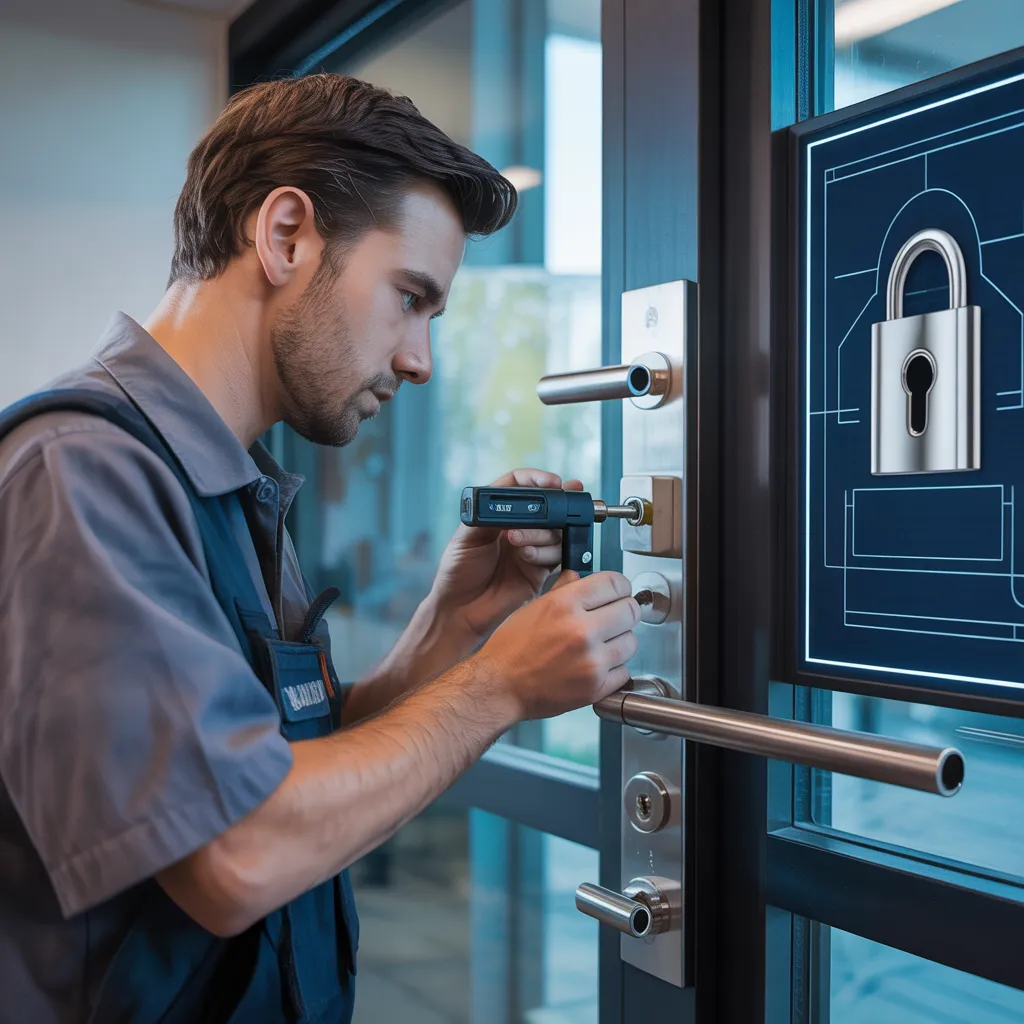
Why Employing a Professional Roofer Makes Sense
When contemplating a roof undertaking, retaining a professional roofer ensures both quality and safety. Certified roof specialists possess the necessary preparation and competency to manage multiple roofing challenges effectively. Their track record enables them to spot latent problems before they escalate, ensuring long-term longevity. In addition, they are knowledgeable in local building codes and regulations, which minimizes the risk of legal disputes.
Furthermore, professional roofers have availability of high-quality materials that may not be obtainable by the average homeowner, enhancing the overall effectiveness of the roof structure. They also offer guarantees that can offer confidence and assurance, safeguarding the investment made in the roofing project. Importantly, protection is paramount; professional roofers are furnished with the right tools and protective equipment to perform their work without causing harm. To conclude, employing a qualified roof specialist is a wise choice for obtaining a dependable and secure roofing solution.
A Comprehensive Handbook to Common Roofing Materials and Their Benefits
Many roof options are available, each providing unique advantages tailored for different needs and tastes. Asphalt shingles are among the most widely used due to their affordability, ease of installation, and variety of colors. Metal roofing, recognized for its durability and protection from extreme weather, also bounces back heat, making it fuel-efficient. Slate tiles provide a classic aesthetic and exceptional longevity, while clay tiles deliver superior insulation and can endure harsh climates.
For people seeking eco-friendly choices, rubber roof materials is becoming increasingly popular; it mimics the look of more expensive materials and is constructed with reclaimed materials. Wood shakes offer a organic, traditional look but demand more maintenance. Ultimately, synthetic roofing materials combine the best features of conventional materials, providing flexibility and resilience. Each option presents unique benefits, making it essential for homeowners to evaluate their preferences and speak with professionals when choosing the best roofing solution.
Common Roof Issues and How Professionals Address Them
Common roofing concerns, such as leaks and water-related harm, can create major foundation damage if not resolved promptly. Additionally, worn or broken shingles weaken the roof's durability and expose the home to increased dangers. Professionals use diverse approaches to identify and resolve these problems, ensuring long-lasting protection and comfort for homeowners.
Leaks and Water Destruction
Leaks and water damage bring pressing challenges for homeowners, regularly producing pricey renovations and foundational threats. These situations commonly emerge from a diverse array of sources, including degraded materials, substandard installation, or even harsh environmental conditions. Water leakage can affect insulation, support mold proliferation, and undermine structural durability. Qualified roof contractors implement innovative methods to recognize and repair leaks proficiently. They complete comprehensive reviews to locate critical weak points, employing tools such as moisture meters and infrared cameras. Once located, they execute precision solutions, which may include sealing, flashing replacement, or, in severe cases, partial roof replacement. By tackling leaks swiftly, professionals help residents avoid deterioration, delivering durable safekeeping and peace of mind.
Missing or Deteriorated Shingles
Roofing issues often manifest through missing or damaged shingles, which can weaken a home's defensive layer. These problems leave vulnerable the foundational framework to environmental factors, possibly resulting in leaks and further deterioration. Professionals commonly execute thorough inspections to identify the severity of the problem. They might suggest substituting single shingles or whole areas, depending on the degree. Using superior-grade materials, skilled contractors assure proper installation to avoid subsequent problems. Additionally, they assess the roof's general state to resolve any underlying problems, such as inadequate airflow or structural vulnerabilities. Consistent upkeep and prompt remedies are essential in preserving a roof's integrity, ultimately safeguarding the home against water intrusion and other environmental hazards.
Establishing the Best Roofing Option for Your Home
When deciding on the top roofing solution for a home, it is vital to evaluate individual roofing requirements first. Understanding the range of material options obtainable and their respective costs can greatly affect the decision-making process. Budget considerations also are important in ensuring complete article that the chosen solution meets both aesthetic and functional requirements.
Reviewing Your Roof Specifications
How can one decide on the best roofing option for their home? The process of assessing roofing needs starts with looking at the home’s architecture and local climate. Homeowners need to consider factors such as energy efficiency, durability, and maintenance needs. A careful inspection of the current roof can detect potential concerns that might alter the decision of materials. In addition, cost limits play an significant role; recognizing the long-term expenses compared to the initial investment is vital. Seeking advice from a licensed professional can offer useful information and tips customized to individual situations. In the end, the decision should balance appearance with functional needs, making certain the chosen roofing choice improves the home’s value while providing durable defense.
Material Selection Review
Identifying the suitable roof selections is a key element in the entire roofing process. Homeowners need to review numerous alternatives, each presenting distinct benefits and drawbacks. Asphalt shingles are favored for their economical value and easy setup, while metal roofing supplies durability and efficiency gains. Clay and concrete tiles present a attractive, permanent choice, best suited for warm climates. Wood shakes showcase a timeless look but demand greater care requirements. Synthetic materials, like rubber or plastic, mirror conventional styles while ensuring better durability. Moreover, environmental responsibility may push some homeowners to look into sustainable solutions including green roofs or reclaimed materials. At the end of the day, selecting the most suitable roofing material is determined by the home's design, climate, and individual preferences.
Budget Considerations Explained
Creating a budget for a roofing project commonly demands close analysis of numerous factors to ensure homeowners select the best option for their needs. To begin with, material selection plays a significant role in both initial costs and the long-term durability of the roof. Asphalt shingles may be budget-friendly, but metal or tile alternatives might deliver more durability at a greater expense. Additionally, labor costs can vary depending on the contractor’s expertise and the complexity of the task. Homeowners should also consider potential hidden expenses like structural repairs or permits. Finally, looking at long-term savings via energy efficiency and warranties will aid in making an informed decision that balances upfront investment with future benefits.
A Overview to What Happens During the Roofing Process
Comprehending the roof installation process can dramatically improve a homeowner's engagement over the course of a roofing project. At the outset, property owners should be prepared for a thorough evaluation of the existing roof to identify its structural integrity and the required work or updates. Once the assessment, a complete proposal will specify the range of services, components, and project duration.
When the project gets underway, homeowners can anticipate an orderly process with protective protocols in place to preserve their property. The roofing crew will take out old materials, inspect the underlying structure, and put in new roofing systems according to industry standards. Clear communication is crucial, as homeowners should expect regular updates on project progress and any unforeseen issues.
To wrap up, the project ends with a thorough assessment to guarantee quality and conformance to standards. Homeowners should likewise receive maintenance guidance to increase the longevity of their new roof, underlining the importance of understanding the complete roof installation procedure.
Why Routine Roof Inspections Are Important
Although many homeowners may neglect roof maintenance, regular inspections are vital for preserving the integrity and longevity of a roof. These assessments help identify small problems before they transform into costly repairs. By detecting problems such as leaks, loose shingles, or moss growth early, homeowners can save both time and money.
In addition, routine inspections confirm that the roof meets local building codes and regulations, which can prevent future setbacks during property transactions. Seasonal changes can impact roofing materials, making it essential to evaluate wear and tear.
Moreover, a well-maintained roof improves the overall visual attractiveness of a home and adds to its market value. Participating in regular check-ups not only supports the structural soundness of the property but also provides reassurance for homeowners. Ultimately, emphasizing roof check-ups is a proactive approach to home maintenance that yields benefits in the long run.
Discovering and Hiring a Professional Roofer in Your Area
Once grasping the necessity of regular roof check-ups, homeowners regularly seek skilled professionals for maintenance and repairs. Locating a qualified roofer in their area can be intimidating; however, a few key strategies can facilitate the process.
Beginning with, dwelling owners should solicit recommendations from companions, family, or neighbors who have lately finished roofing work done. Online reviews and ratings on channels like Google and Yelp can also render important information into a roofer's reputation.
Once a list of potential candidates is created, property owners should validate qualifications, including licenses and insurance. Collecting numerous bids allows them to review costs and services rendered.
Additionally, inquiring about warranties and guarantees can help guarantee long-lasting results. By following these steps, property owners can securely hire a professional roofer who meets their specific needs, ensuring their roofs remain in optimal shape for years to come.
Regularly Asked Questions
What Requirements Should I Seek in a Professional Roofer?
When selecting a competent roofing professional, it's important to prioritize competencies like proper licensing, insurance coverage, extensive experience, good reviews, and conformity with industry standards. These considerations promise solid craftsmanship and mitigation of potential liabilities.
How much time Does a Typical Roofing Project Take to Complete?
A typical roof installation typically takes 1-3 days, contingent on the size and intricacy of the roof, weather conditions, and the crew's efficiency. More expansive or more elaborate roofs may demand additional time.
Do Roofing Warranties Carry Over if I Offload My Home?
Roofing warranties are often transferable, but particular requirements apply. Property owners should examine the guarantee paperwork for details on transfer eligibility, as some producers require notice and may have time limits for the transfer procedure.
What can I Do if I Detect Roof Damage After a Storm?
If roof deterioration is suspected after a storm, the resident should check the roof for noticeable damage, note any deterioration, and speak with a specialist for an review to determine needed work and stop further complications.
How Do I Protect My Roof in Optimal State Between Professional Inspections?
Regularly examine the roof for debris, identify deteriorated shingles, and maintain gutters to prevent water buildup. Promptly tackle small issues and watch for signs of leaks or wear between professional inspections.